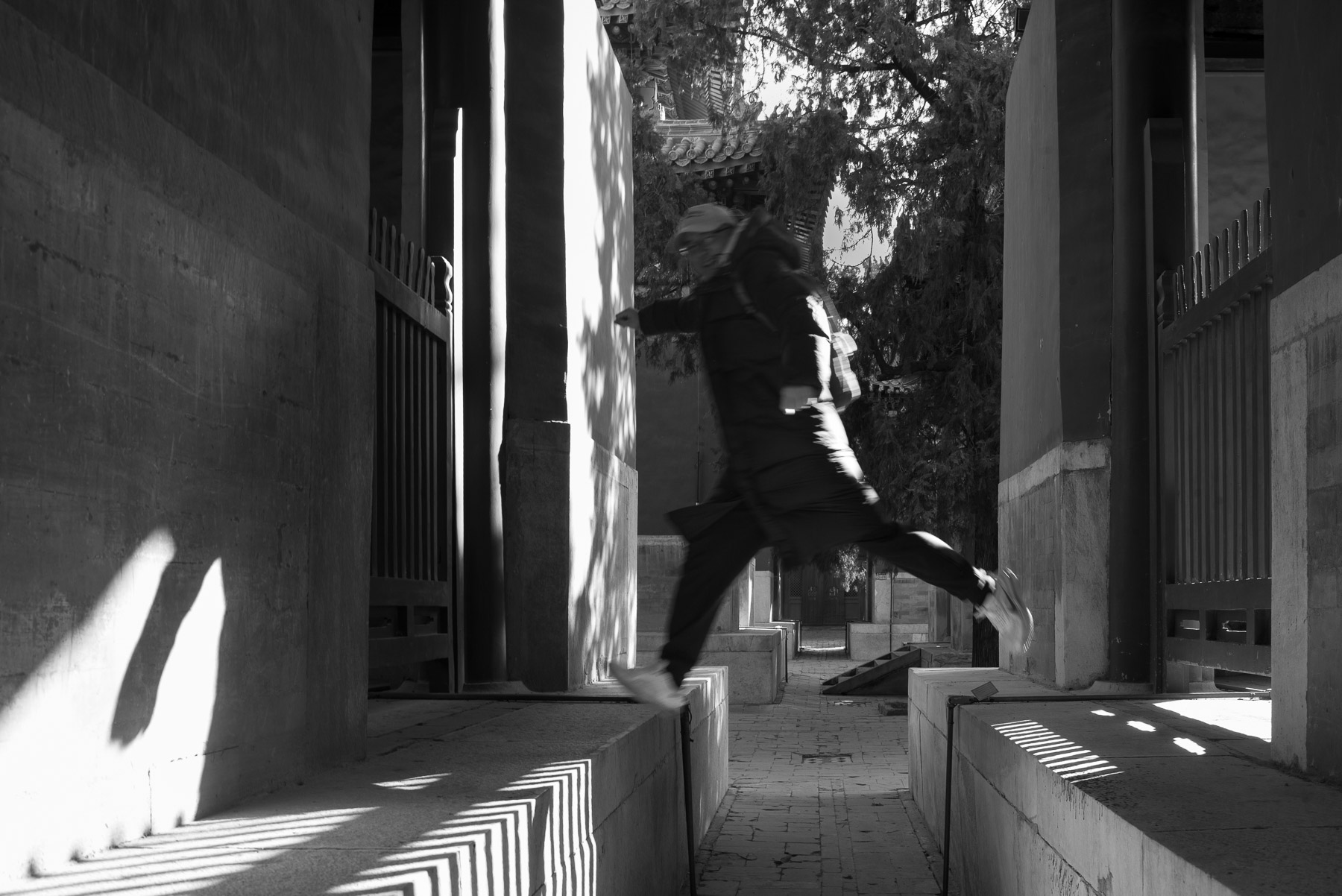
Confucius Temple & Imperial Academy
TanTan is an academic.
She writes hundreds of pages of academic papers.
Monks, emperors. Monasteries, palaces. Their ambitions and frustrations.
She's brilliant.
I'm nobody to say this. It's a comment I've heard many times from her PhD advisor and other scholars in her field.
She's hardworking too.
Well, she studies hard and plays harder. Precisely.
So I'm a bit surprised when she tells me she doesn't want to continue.
Surprised, but not questioning her decision.
Reasons, impulses, intuitions — or all of these together — there must have been a lot going on in her head before she comes out with one piece to tell me about.
It's hard to have thoughts going on.
For me, even one thought, even just occasionally, is hard.
But she has millions. Always.
So I won't add more.
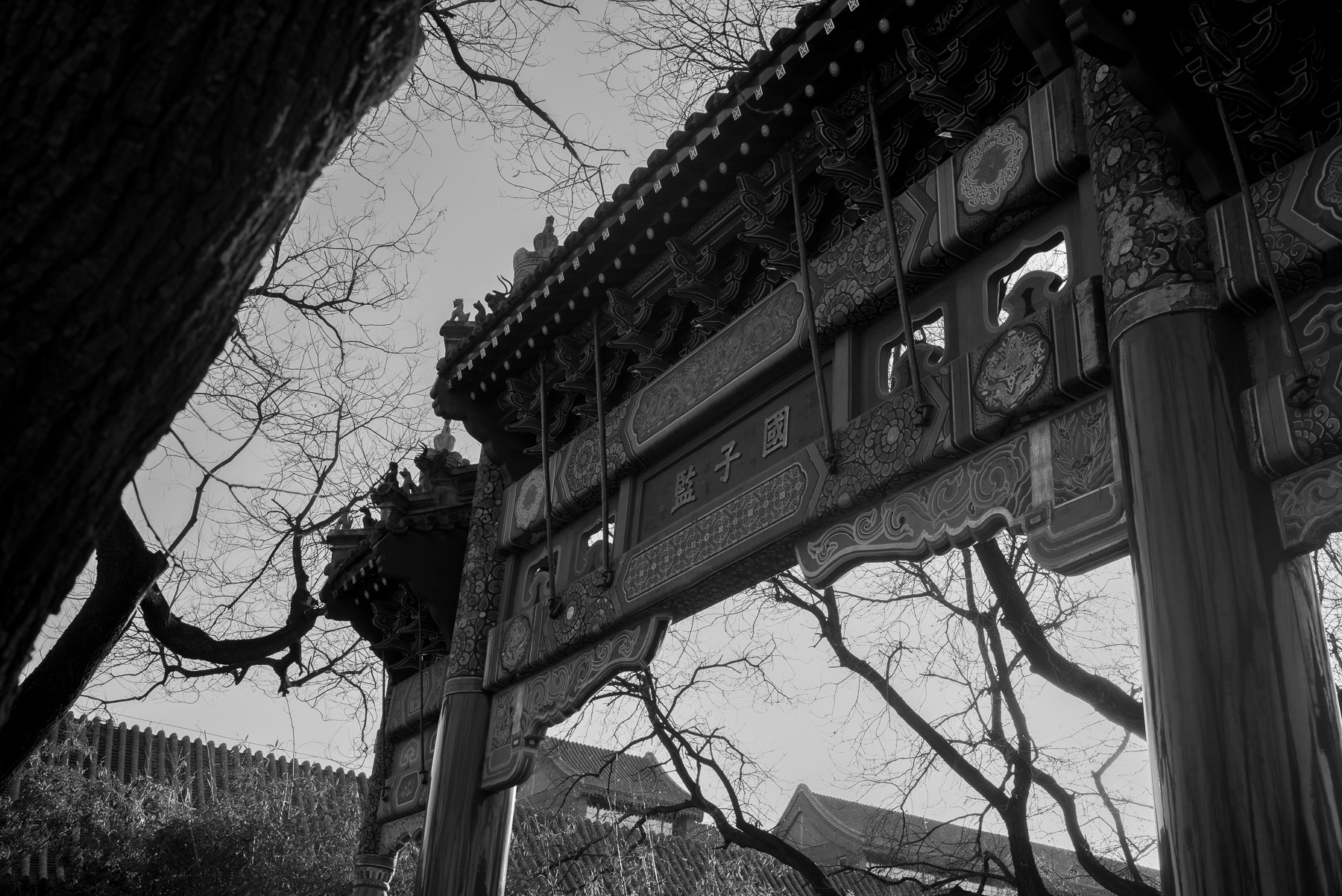
Week 6: Confucius Temple and Imperial Academy 孔廟國子監
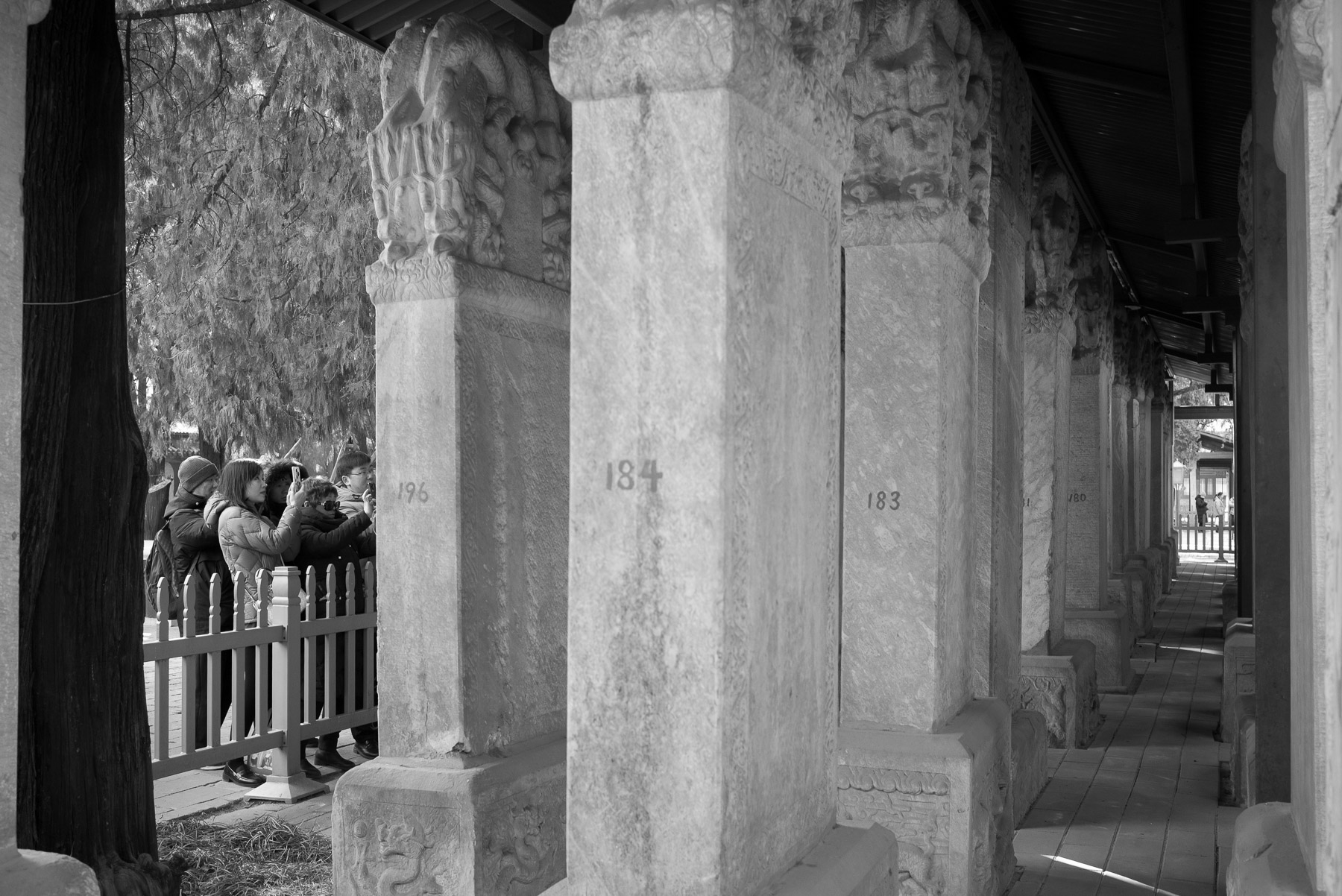
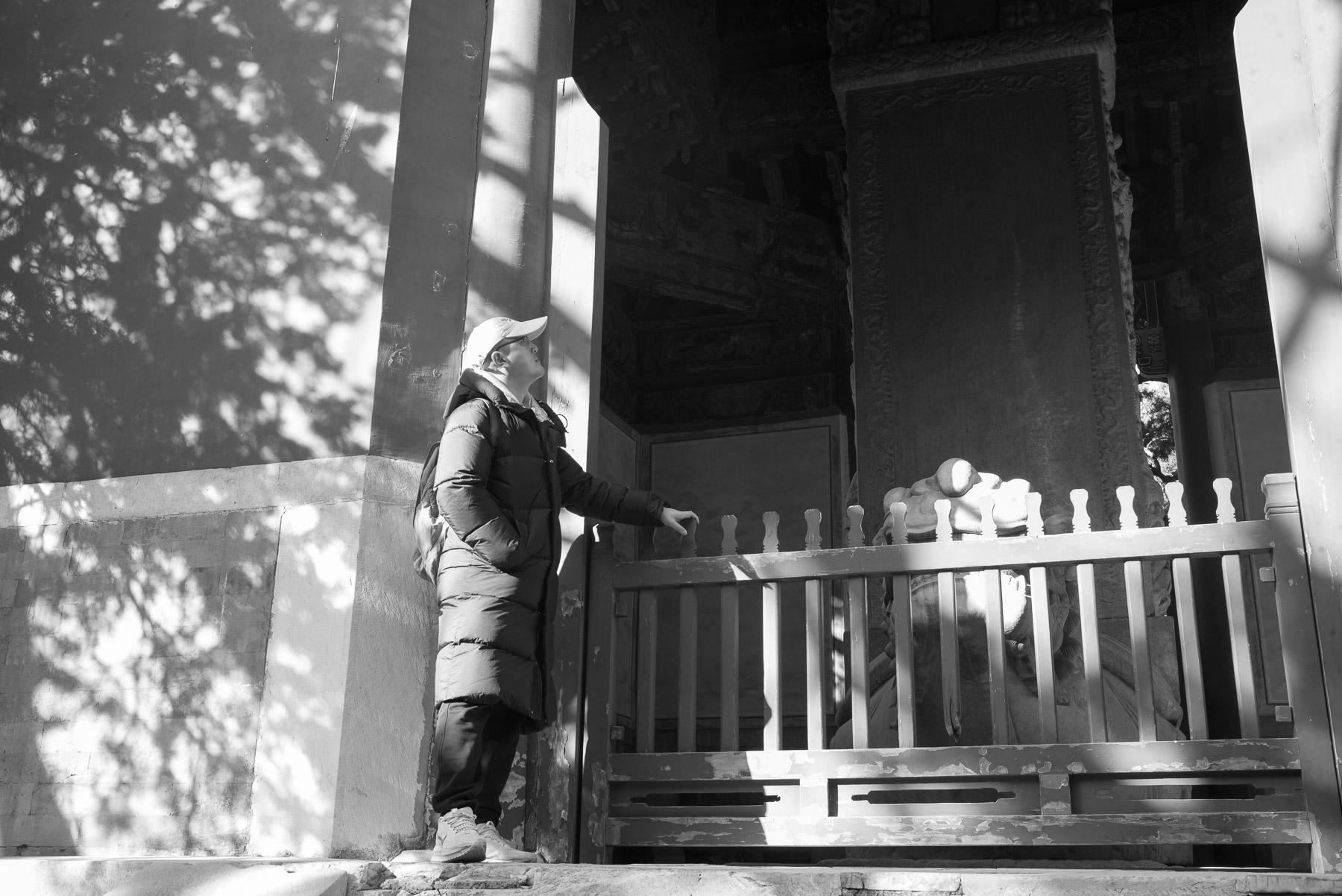
The place where the names of people most successful in the highest imperial examinations live.
進士 in Chinese. They got their names carved in stone.
Nearly 200 stele for more than 50,000 names across four dynasties, Yuan to Qing.
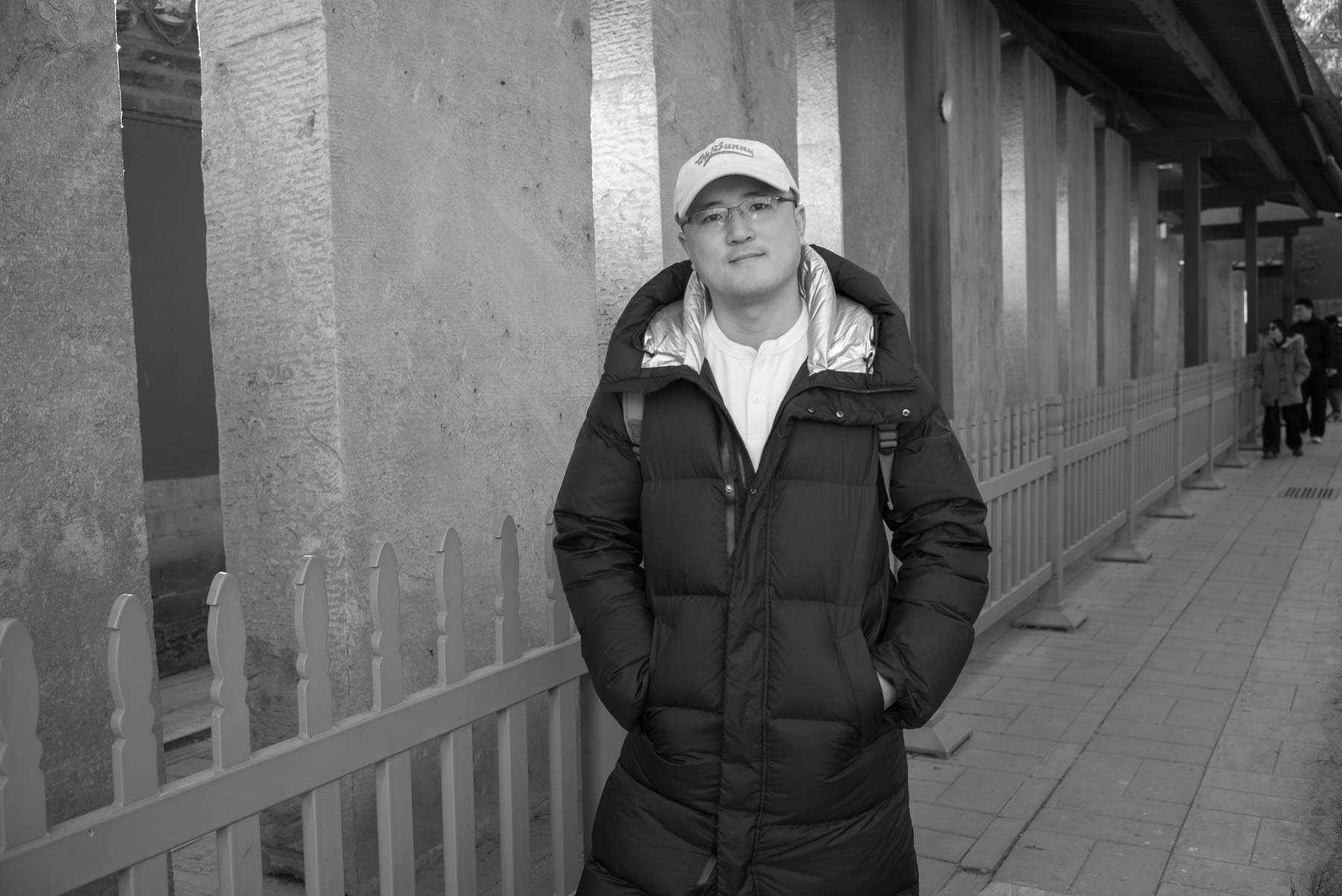
Behind them stands 大成殿, the hall where the emperors offered sacrifices to Confucius.
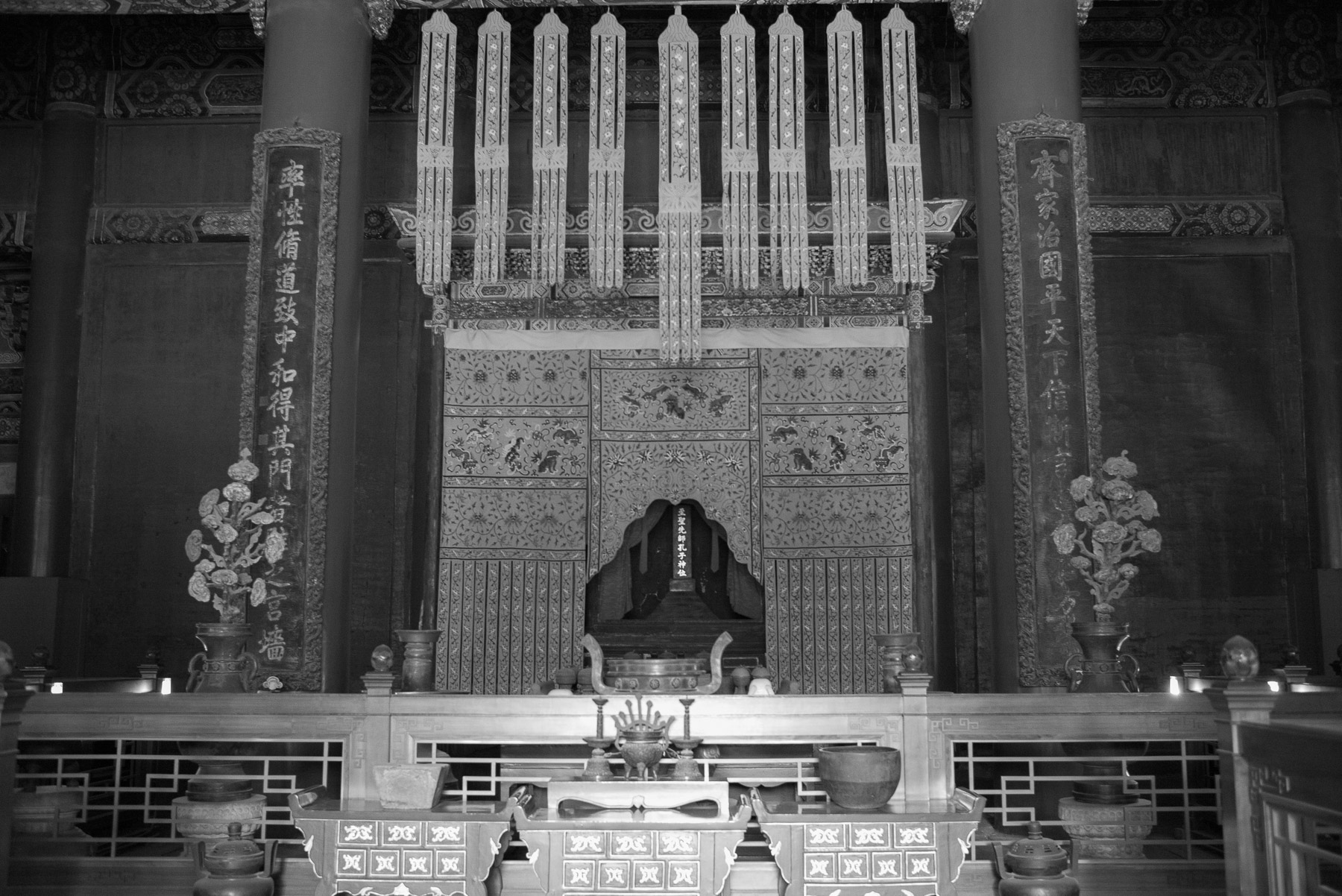
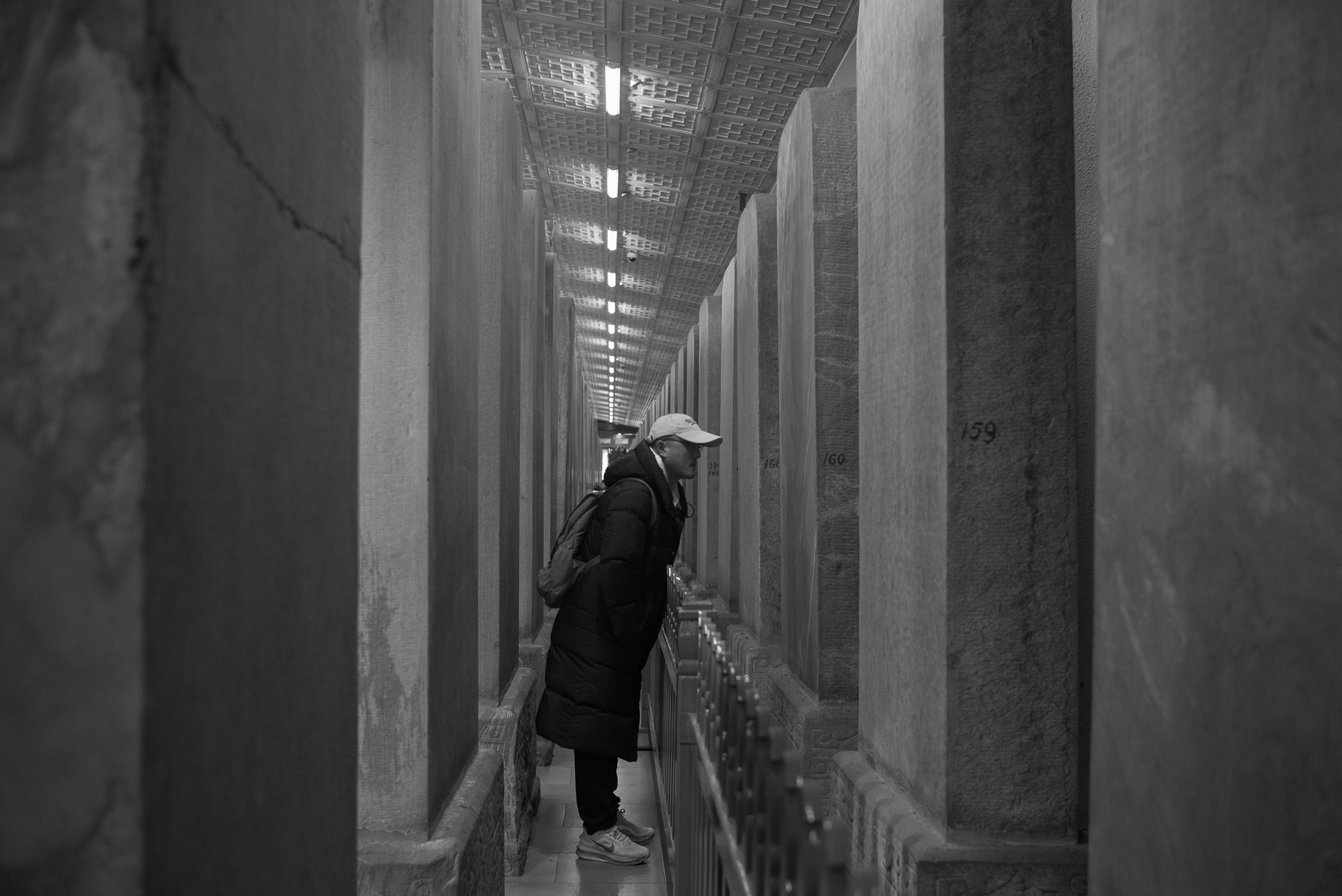
A corridor filled with the Thirteen Classics — 189 stones, 630,000 characters, hand-copied by one man, Jiang Heng 蔣衡, over twelve years.
The whole place is a monument to the state's claim over education and orthodoxy.
Also a ritual and spiritual anchor for the literati.
"Is Confucianism a religion?"
"It isn't, if you define religion by god, belief, and personal spiritual experience. It is, if you define religion by ritual, institution, and social function."
We had this conversation after stepping out of 大成殿.
TanTan also talks about the offerings.
"In religions such as Judaism, Christianity, Islam, or Buddhism, the offering goes up. To Confucius, the offering goes back. Back in time. Back to the source of the teaching. Horizontal, not vertical. Memorial, not devotional."
"The hall," she continues, "where the tablets of Confucius's best students take the place of supernatural figures in other religions — it's a classroom where the graduation ceremony never ends."
I love how she explains difficult things in plain words.
We walk toward 辟雍, the Biyong — a square hall sitting inside a circular moat, built for the emperor to lecture scholars he knew less than.
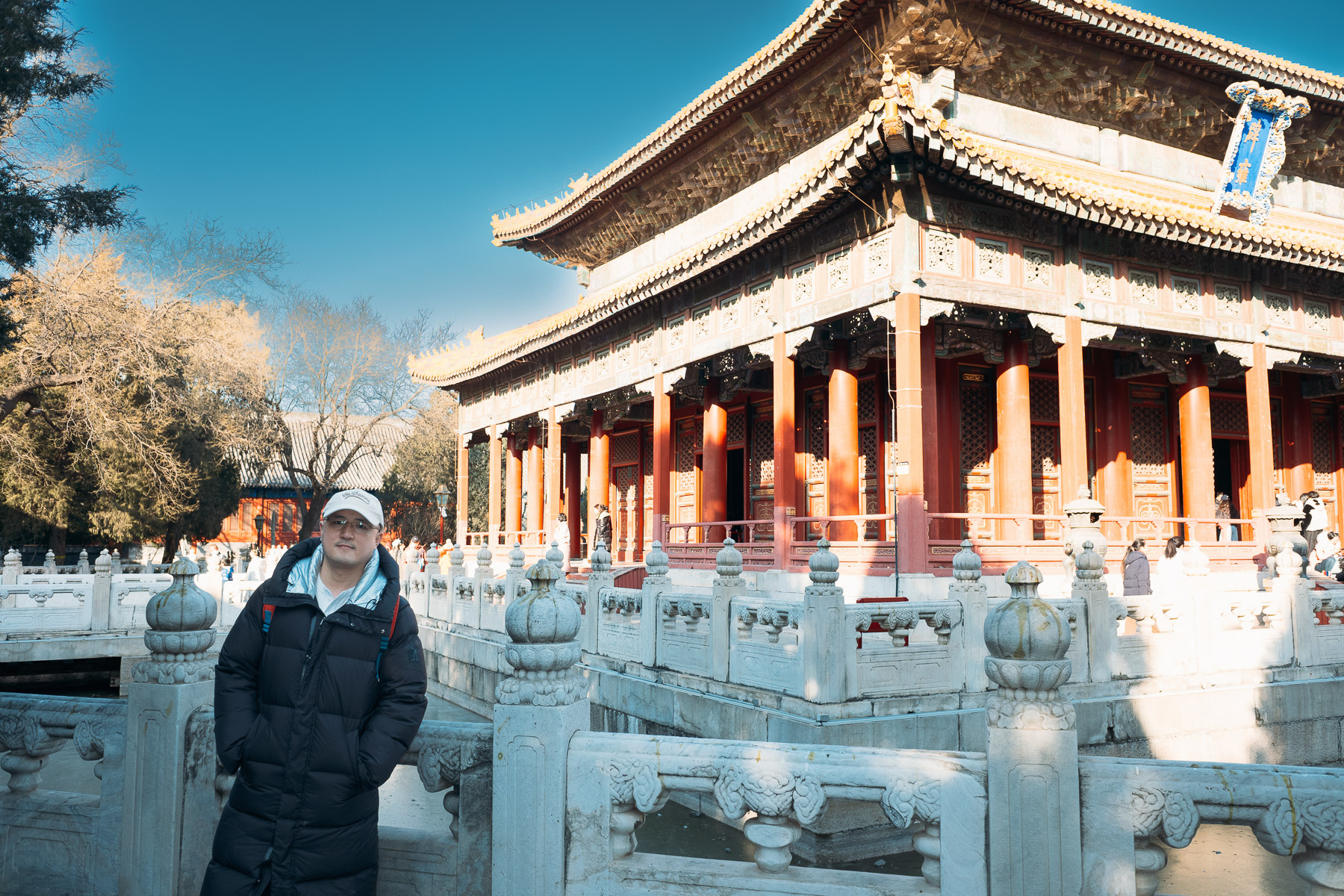
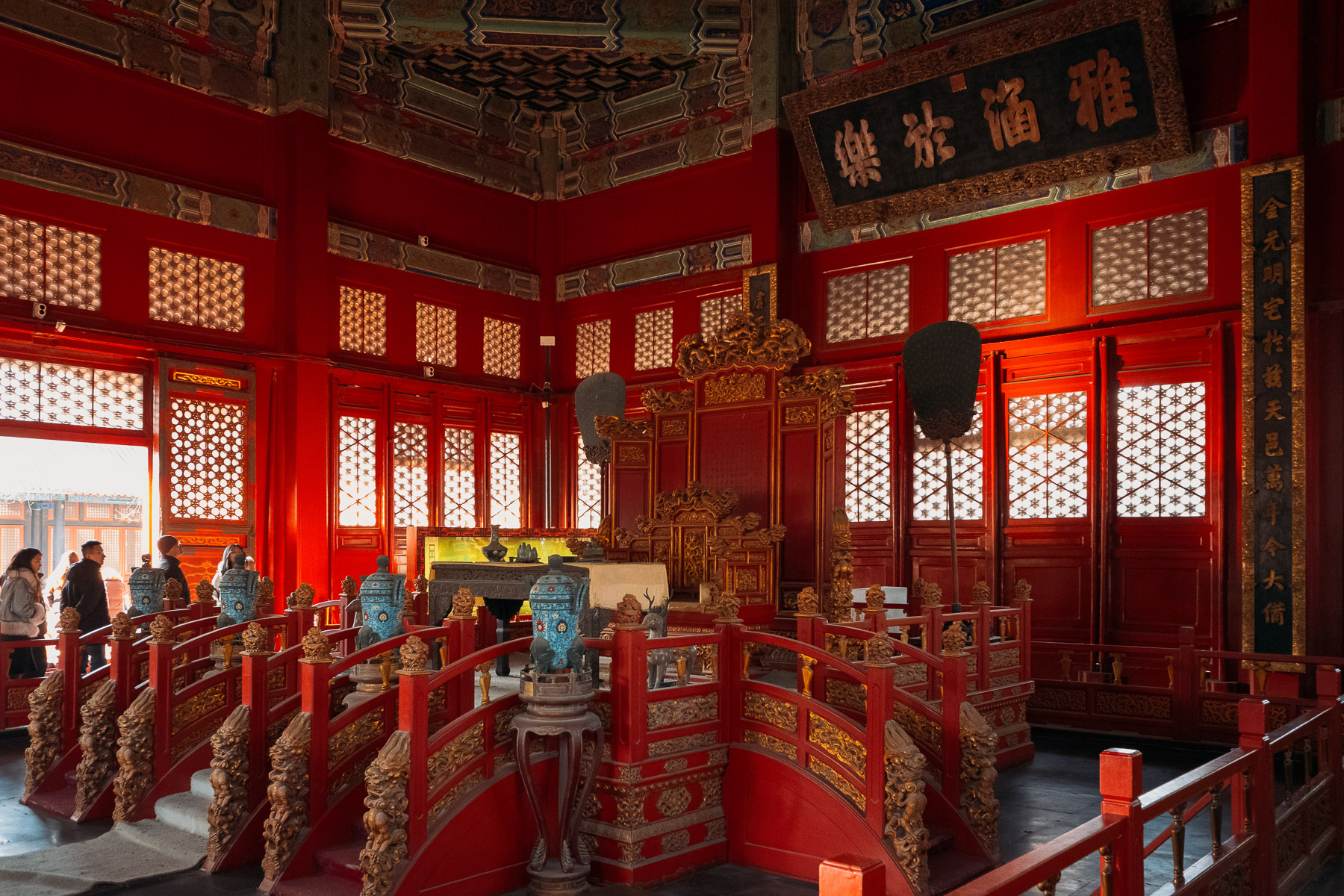
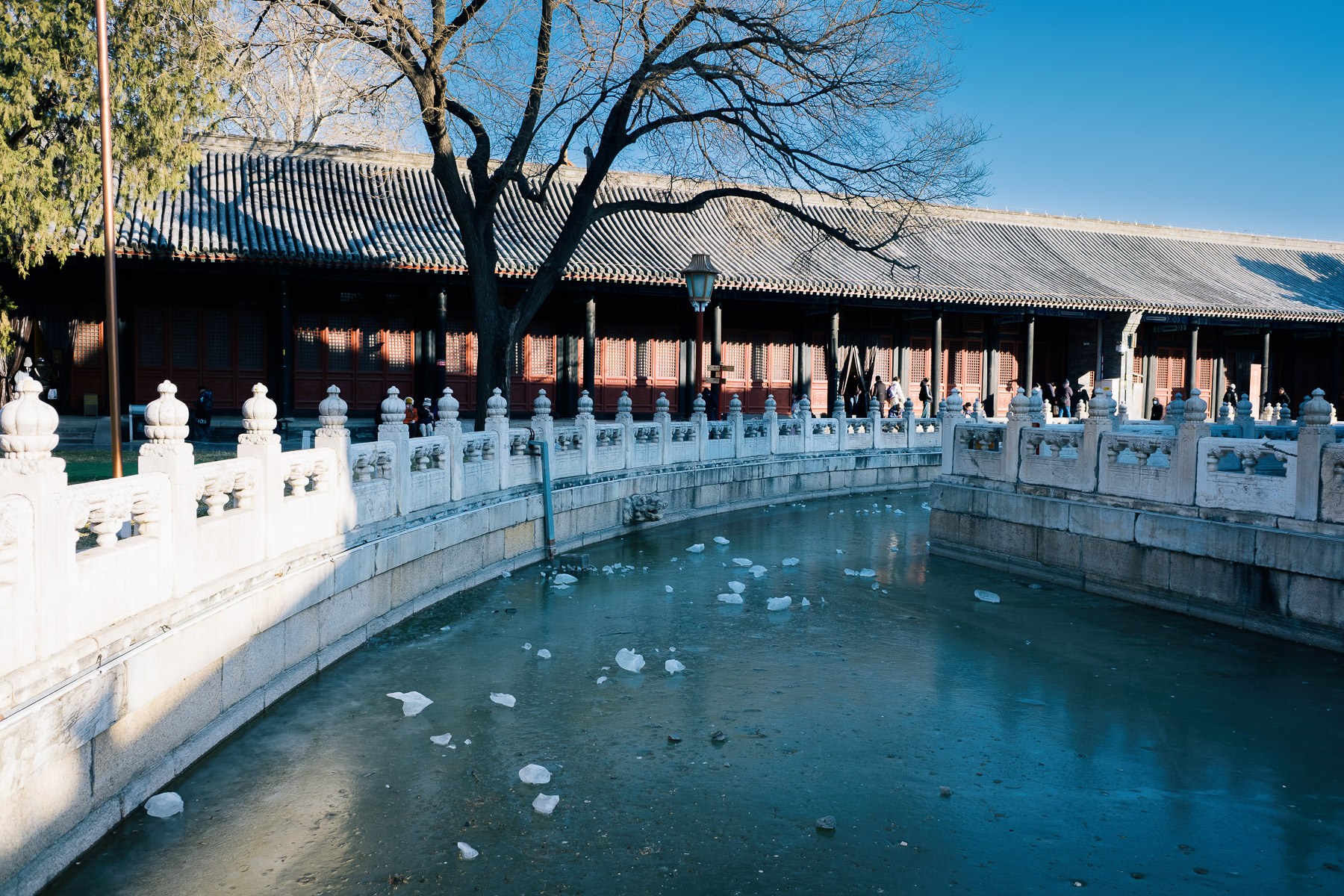
"The emperor knows less. The scholars know more. The one who knows less lectures the ones who know more. And everybody in the room knows this?"
"Certainly. Because the point was never knowledge. It was the cosmological source of knowledge. The architecture makes it literal — the emperor stands at the center, the water surrounds him, knowledge flows outward from his position. He is the source. Not because he knows the most, but because his mandate activates the system. He doesn't go to learn. He goes to be seen as learning's patron."
"So the emperor in this case sounds more institutional than personal."
"Yes. Probably most emperors in Chinese history are more institution than individual."
The temple and the academy as one.
This was normal. For over a thousand years, this was normal.
In 1905, the imperial examination system was abolished. One act broke the unity that had held since the Tang dynasty.
The gate between temple and academy is still open.
The architecture remembers what we forgot.